When the Forecast Reaches the Board Pack: Governing Climate-Exposed SME Premises

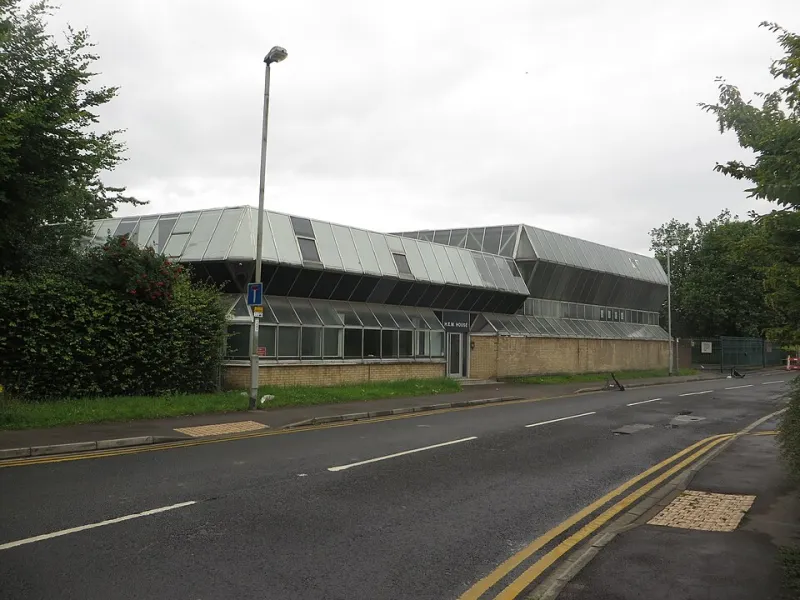
Photo: Thomas Nugent , CC BY-SA 2.0, via Wikimedia Commons
Weather has a way of bypassing the usual agenda. A burst pipe is a maintenance matter; a flooded access road, a heat-stressed server room or a storm-damaged roof quickly becomes a board matter. For UK SMEs, the distinction is important. Climate resilience is not primarily a sustainability statement. It is a property risk, an insurance condition, a continuity question and, increasingly, a piece of governance evidence that lenders and auditors may ask to see.
Why weather belongs in the board minutes
Most owner-managed companies do not have a dedicated risk function. Decisions about drainage, roof maintenance, emergency contacts and insurance notifications tend to sit with whoever has the keys or the landlord’s number. That works until an event exposes the gap between operational improvisation and board accountability.
The board’s role is not to forecast the weather. It is to ensure that the company knows where it is exposed, who is responsible for mitigation, what the lease and policy require, and how decisions will be taken when a warning is issued. Those are governance questions. They should be recorded, reviewed and evidenced in the same way as any other material property risk.
1. Build a site exposure map, not a sustainability statement
Start with the premises the company actually occupies or owns. For each site, record the physical hazards that could interrupt operations: surface-water flooding, river flooding, coastal exposure, overheating, wind damage, snow loading, access-road closure and utility failure. Use public sources such as Environment Agency flood maps, Natural Resources Wales, SEPA and local authority planning data, but treat them as a starting point rather than a verdict. A site outside a marked flood zone can still lose access because a nearby road floods.
The map should also record business criticality. A warehouse that cannot dispatch for three days is a different board problem from an office that can operate remotely. Note the people, plant, stock, data and suppliers that depend on each site. Keep the output to one or two pages. The aim is a working document that supports decisions, not a polished report that is never opened.
2. Put a name against every mitigation
A risk register without owners is a list of worries. For each significant exposure, the board should agree a mitigation, a responsible director or manager, a budget or cost limit, and a review date. Mitigation may be physical — clearing gullies, securing roof fixings, installing shading or moving critical equipment above known flood levels. It may be procedural — pre-agreed contractors, alternative working arrangements, data backup checks or a communication tree.
Not every risk can be eliminated. The board should decide explicitly which risks are tolerated, which are treated and which are transferred through insurance. That decision belongs in the minutes. It demonstrates that directors have turned their minds to the issue rather than leaving it to chance.
3. Reconcile lease, insurance and continuity obligations
Weather events have a habit of revealing ambiguity in leases. Who is responsible for roof repairs? Does the landlord insure the building while the tenant insures fit-out and stock? Is there a service charge for drainage maintenance? What access rights apply if common parts are closed? Does the lease require the tenant to reinstate alterations after damage?
Directors should not rely on memory. Ask the managing agent or landlord to confirm the allocation of obligations in writing where the lease is unclear. Check the insurance policy for conditions around storm or flood cover, notification periods, unoccupancy clauses and business interruption cover. If the company has a continuity plan, test whether it assumes staff can reach the site or that utilities will remain available. A short annual reconciliation meeting between the property, finance and operations leads is usually enough to surface the gaps.
4. Keep an evidence file that survives a claim
Insurers, lenders and auditors rarely ask for evidence before an event. They ask afterwards. A claim-ready file should include the site exposure map, maintenance records, contractor reports, photographs of pre-existing conditions, insurance schedules, lease extracts, board minutes approving mitigation and an incident log template. After an event, preserve photographs, receipts, correspondence and records of temporary works before anything is cleared away.
This is not about creating paperwork for its own sake. It is about demonstrating that the company took reasonable steps, notified the right parties and acted consistently with its own procedures. A file held in one accessible location, with a named custodian, is more useful than documents scattered across email accounts.
The one-page weather trigger matrix
A trigger matrix converts a warning into a pre-agreed action. It should fit on one page, be reviewed annually and be held with the continuity plan. The board delegates activation to a named duty manager, but retains oversight through a short report after the event.
| Phase | Trigger | Action | Evidence |
|---|---|---|---|
| Before | Met Office amber or red warning; flood alert or warning; extreme heat forecast | Duty manager checks site, contractors and staff communication; director confirms insurance notification route; critical equipment protected | Checklist, photographs, emails to staff and contractors |
| During | Event underway or access compromised | Safety first; activate continuity arrangements; preserve life and property; notify broker or insurer within policy timescale; record decisions | Incident log, time-stamped notes, insurer reference |
| After | Re-entry permitted | Assess damage; secure site; instruct loss adjuster; collate photographs, invoices and correspondence; board review within agreed period | Claim file, lessons-learned note, updated risk register |
Making it routine
Climate resilience should not be a standalone project. Add a standing property-risk item to the quarterly board agenda, review the exposure map annually and after any near miss, and record mitigation decisions in the minutes. The company does not need a climate scientist. It needs a clear view of its sites, named owners, a reconciled understanding of lease and insurance obligations, and evidence that the board acted on what it knew. When the forecast reaches the board pack, that discipline is what turns a weather event into a managed incident rather than an unmanaged surprise.