The Building on the Board Agenda: A Quarterly Premises Walk-Through for UK SMEs

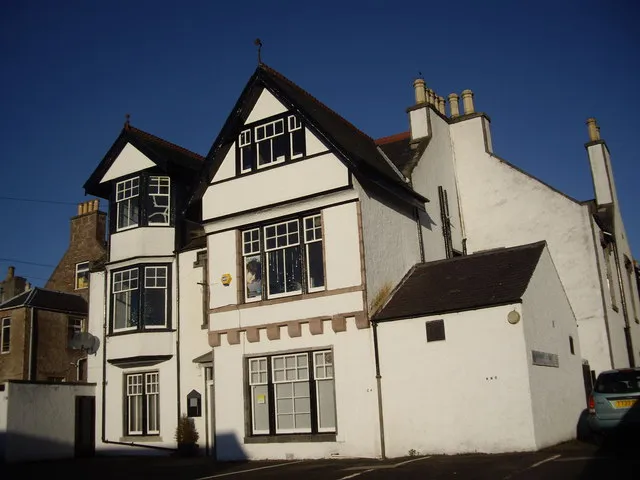
Photo: Scottish Government, CC BY-SA 2.5, via Wikimedia Commons
Premises are often treated as a monthly cost line: rent, rates, utilities and service charge. For an SME board, however, the building is also an operational asset and a source of governance risk. A leaking roof, a blocked escape route or an unrecorded alteration can interrupt trading, trigger landlord disputes or undermine statutory compliance. The director’s walk-through is a lightweight response: a repeatable quarterly inspection that allows the board to see the premises directly, rather than relying solely on maintenance reports.
Why the walk-through belongs in governance
A director does not need to become a building surveyor. The purpose is assurance, not technical diagnosis. The board needs to know whether the property is fit for current operations, whether obligations are being met and whether defects are being escalated with appropriate urgency. A quarterly cadence fits the board cycle and creates a trend record. It also provides useful evidence for budget setting, service charge challenges and lease decisions.
The walk-through should complement, not replace, specialist inspections such as fire risk assessments, electrical testing, asbestos surveys and condition surveys. It is a director-level check that the ordinary machinery of property management is working.
The ten-point route
Use the same route each quarter so that comparisons are meaningful. Record nil returns as well as defects.
- Roof, gutters and rainwater goods. Look for stained ceiling tiles, damp patches, overflow from gutters and vegetation in rainwater outlets. Do not access roofs without proper controls; record what is visible from safe vantage points.
- Drains, external surfaces and parking. Check for standing water, blocked covers, potholes, damaged kerbs and faded line markings. These are common trip hazards and can become liability issues.
- Fire doors, escape routes and compartmentation. Confirm that fire doors close fully, self-closers work, gaps are not excessive and escape routes are unobstructed. Check that fire action notices and signage are in place. The responsible person under fire safety legislation should have a documented routine; the board is verifying that it operates.
- Security and access control. Review locks, alarm setting, CCTV coverage, fob and key registers, and out-of-hours access. Note any changes in personnel or contractors that affect access.
- Utilities, meters and plant. Take meter readings, check for leaks or unusual consumption, and confirm that boiler and electrical intake areas are clear. Verify that service dates for gas, electrical and lift equipment are current.
- Internal fabric and water ingress. Look at ceilings, walls, windows, floors and joinery for damp, cracking, condensation or damage. Distinguish cosmetic wear from defects that could affect safety or lease obligations.
- Shared and common areas. Inspect corridors, lifts, stairwells, bin stores, loading areas and external lighting. These areas often sit within the landlord’s service charge, so observations can support later queries about cleaning, repairs and management.
- Signage, wayfinding and accessibility. Check statutory signs, visitor routes, accessible entrances and emergency information. Poor signage is an operational nuisance and can create compliance exposure.
- Lease boundary and alterations. Confirm that occupiers are using the demised area as expected. Note any alterations, signage additions, cabling or partitions since the last inspection. Check whether landlord consent is required and whether the alteration affects reinstatement at lease end.
- Statutory compliance evidence. This is a document check rather than a physical inspection. Confirm that the fire risk assessment, electrical certificates, EPC, asbestos register, water hygiene records and insurance schedule are present and current. Record the date of the last review.
A simple evidence log for board minutes
The inspection is only useful if it leaves a record. Keep the log to one page and attach it to the board minutes. A suitable format includes: date of inspection; directors and staff present; area inspected; observation; risk rating; action owner; target date; and evidence reference where a photograph or document has been saved.
Use three ratings: routine, priority and urgent. Routine items enter the maintenance plan. Priority items should be actioned within an agreed period, normally 30 days. Urgent items require same-day escalation to the responsible director and, where relevant, the landlord or managing agent. The log should record who escalated the matter and when.
The board should review open actions at the next meeting. Repeated items should be treated as a signal, not a clerical failure. If the same defect appears for three consecutive quarters, the board should ask whether the maintenance regime, the landlord’s obligations or the building’s suitability is the real issue.
Maintenance versus strategic property risk
Most walk-through findings are maintenance matters: a failed light, a damaged door closer or a blocked drain. These should be fixed through the ordinary facilities budget. Strategic property risk is different. It arises where defects affect trading continuity, statutory compliance, lease obligations or capital value. Examples include persistent water ingress over a server room, escape routes that cannot be kept clear because the layout has changed, or alterations that may require reinstatement.
The board should therefore ask two questions of every significant finding: what is the operational consequence, and what is the lease or compliance consequence? That simple discipline helps distinguish a repairs job from a decision about relocation, lease renewal or capital investment.
Making the routine stick
Assign ownership to a board director rather than leaving the walk-through to facilities staff alone. The inspection should take 60 to 90 minutes and use a pack containing the floor plan, lease plan, maintenance log, compliance file and previous action list. Photographs taken on a phone are sufficient, provided they are saved with a date and location reference.
In 2026, with cost pressure on rents, service charges and energy, the board that can evidence the condition of its premises is better placed to challenge invoices, plan expenditure and negotiate lease events. The walk-through is not a bureaucratic addition to governance. It is a practical way of seeing the building as an asset the board is responsible for, not merely a cost it pays for.