The Neighbour’s Builder and Your Board: A Decision Path for Party Wall Notices
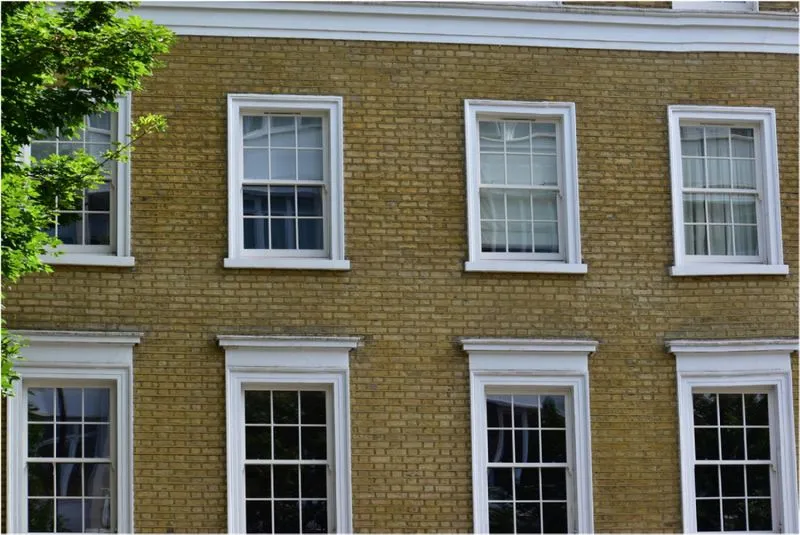
Photo: Partywall7, CC0, via Wikimedia Commons
A party wall notice rarely arrives at a convenient moment. It may come from a neighbouring owner, a developer or a managing agent, and it usually concerns works that will disturb a wall, floor structure or excavation close to the boundary. For an SME occupier, the instinct can be to sign it, ignore it or hand it to the landlord. None of those is a decision path.
The Party Wall etc. Act 1996 provides a framework for notifying and resolving disputes about certain works in England and Wales. Scotland and Northern Ireland have different arrangements. The board does not need to become expert in the Act, but it should ensure that someone is authorised to act, that advice is taken in time and that the company’s position is recorded.
First 48 hours: log it, identify it, do not concede
Record the date the notice was received, the type of notice, the works described, the plans attached, the intended start date and the name of the building owner. Keep the envelope and any covering email. If the company is a tenant, check the lease before responding. The lease may require landlord consent for works, access or alterations, and the landlord may be the party wall owner or have an interest in the common structure.
Do not write a casual no objection until advice has been taken. A consent given without conditions can limit the company’s ability to recover damage costs or control access. A short holding response is usually better than a premature concession.
Which notice is it?
The Act uses different notices for different works. A line of junction notice concerns a new wall built up to or on the boundary. A party structure notice concerns works to a party wall or floor structure. An adjacent excavation notice concerns excavation within a specified distance of neighbouring foundations.
The notice periods differ. Party structure notices generally require two months’ notice. Adjacent excavation notices generally require one month. Line of junction notices generally require one month. The precise period depends on the notice and the works, so the response should be checked against the Act and, where necessary, professional advice. The key governance point is that the clock is real. Diarise the deadline and the person responsible for responding.
Consent, dissent or surveyor
The recipient has three broad routes: consent, dissent or a negotiated position with conditions. Consent may be appropriate for minor works where the method and protections are clear. Dissent is not an aggressive act; it is the route that triggers the statutory surveyor process and gives the occupier a voice in the award.
If the company dissents, it should appoint a surveyor within the period set by the Act, commonly 10 days. If it does not, the building owner may appoint a surveyor to act for both sides. That is not necessarily a disaster, but it is a loss of control. The board should record who appointed the surveyor, the fee basis, the scope and any conflict check. A joint surveyor can be agreed, but only with informed consent.
Access requests
The Act gives rights of access for surveyors and for the works, subject to notice and reasonable conditions. The company should not unreasonably refuse access, but it should control it. Keep an access log showing who attended, when, for what purpose and who escorted them. Contractor inductions, security arrangements and out-of-hours access should be agreed in writing.
If access is requested at short notice, the company can ask for reasonable notice and a method statement. If the request is unreasonable, take advice rather than simply refusing. A refusal can escalate the dispute and may affect costs.
Protect the property before work starts
A schedule of condition is the most valuable pre-work document. It should record the condition of party walls, ceilings, floors, finishes and any service routes that could be affected. Dated photographs and a surveyor’s report are stronger than a phone camera alone. Agree the method statement, working hours, protection, dust control, noise limits and hoarding arrangements.
Notify the company’s insurer or broker before work begins. Check whether damage caused by neighbouring works is covered, whether the building owner’s insurance is in place and whether the lease requires any notice to the landlord. Record any pre-existing defects so they are not attributed to the works later.
Damage and cost recovery
If damage occurs, report it immediately, photograph it and ask the surveyor to inspect before repairs are carried out. Keep invoices, receipts and records of any loss of use or professional fees. The party wall award will usually determine liability and the process for making good. Do not carry out cosmetic repairs before inspection unless it is necessary for safety.
Cost recovery should be pursued through the award and the surveyor’s process, not by informal offset against rent or service charge. The board should know the estimated exposure and who is managing it.
The governance trail
Keep a party wall file containing the notice, plans, correspondence, appointments, award, access log, damage log, invoices and board minutes. Review it quarterly alongside the property compliance register. Name a director or senior manager as the point of accountability. At lease end or during a dilapidations negotiation, this file may be the difference between a recoverable cost and an unexplained liability.
A party wall notice is best handled as a controlled decision, not a scramble for advice. The board’s role is to make sure the clock is watched, the advisers are appointed and the evidence is kept.